
How AI Is Transforming the Contract Lifecycle
Aug 11, 2026
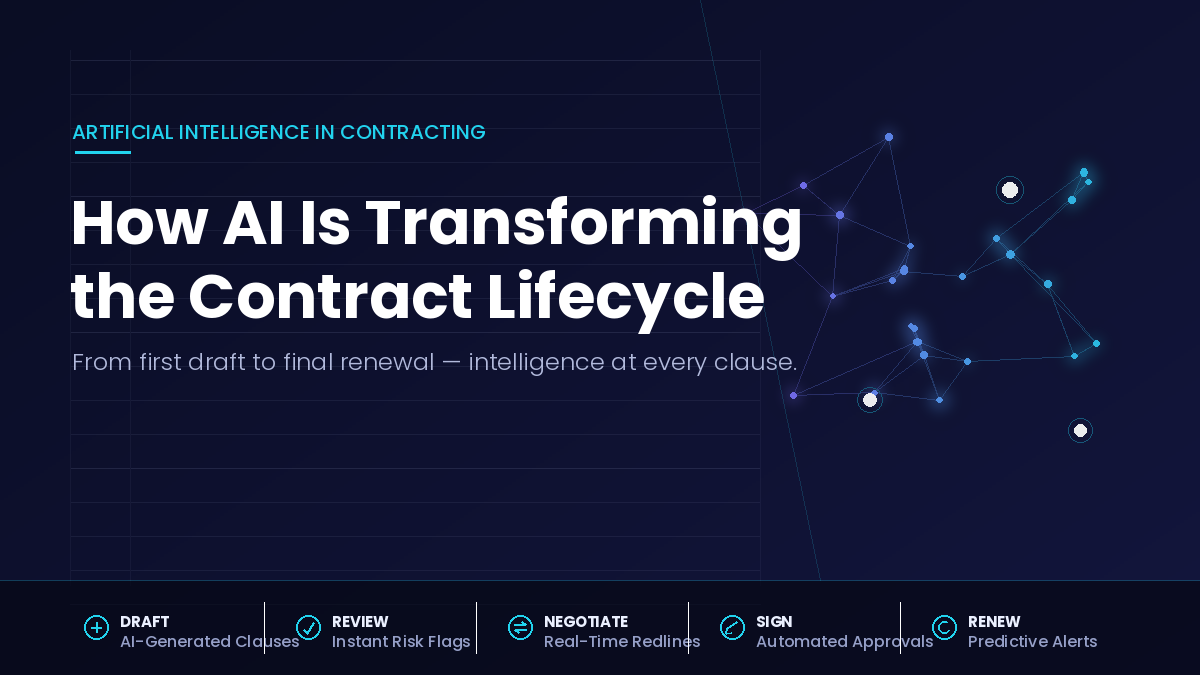
How AI Is Transforming the Contract Lifecycle
Contract management software is a digital solution that helps businesses create, review, approve, sign, store, track, and renew contracts from a centralized platform. Modern AI-powered contract management software goes further by using artificial intelligence to assist with contract drafting, clause analysis, risk identification, approvals, obligation tracking, and renewals.
What Is Contract Management Software?
Contract management software is a platform that enables organizations to manage contracts throughout their lifecycle, from initial drafting and negotiation to approval, signing, compliance, renewal, and termination. Instead of managing contracts across disconnected spreadsheets, email threads, and folders, businesses can use a centralized contract management system to organize documents, automate workflows, monitor obligations, and track important contract dates.
Typical capabilities include:
Contract drafting and templates
Contract review and clause analysis
Approval workflow automation
Electronic signatures
Centralized contract repository
Contract search and version control
Obligation tracking
Renewal and expiry alerts
Contract analytics and reporting
Access controls and audit trails
What Is Contract Lifecycle Management (CLM)?
Contract lifecycle management (CLM) is the process of managing a contract from creation and negotiation through approval, execution, performance monitoring, renewal, and termination. CLM software brings these stages together in one system. This helps legal, procurement, sales, finance, HR, and compliance teams maintain visibility throughout the contract lifecycle.
A typical contract lifecycle includes:
Request - Draft - Review - Negotiate - Approve - Sign - Monitor - Renew or Terminate
By digitizing these stages, organizations can reduce manual contract administration and create more consistent processes.
How Does AI Contract Management Software Work?
AI contract management software uses artificial intelligence to automate or assist with repetitive contract-related activities such as drafting, reviewing, analyzing clauses, identifying risks, extracting key information, and monitoring obligations. For example, AI can help a legal or business team identify important clauses, compare contract language, locate potential risks, and extract information such as:
Contract parties
Effective dates
Expiration dates
Payment terms
Renewal conditions
Notice periods
Obligations
Liability clauses
Confidentiality requirements
Human review remains important for legal and business decisions, while AI can reduce the amount of manual work required to find and process contract information.
How AI Is Transforming Contract Management
Traditional contract management often depends on manual document preparation, email-based approvals, spreadsheets, and calendar reminders. AI-powered CLM introduces automation and intelligence across these activities.
1. AI Contract Drafting
AI contract drafting helps teams create contracts faster by generating or assisting with contract language based on predefined requirements, templates, and clauses. Instead of starting every contract from scratch, teams can use approved templates and AI-assisted drafting to create standardized documents while reducing repetitive work.
2. AI Contract Review and Clause Analysis
Reviewing lengthy contracts manually can take significant time.
AI-powered contract review can help identify relevant clauses, unusual language, missing provisions, and deviations from approved standards.
For example, an AI system can help flag:
Non-standard clauses
Unusual payment terms
Renewal conditions
Liability provisions
Termination clauses
Confidentiality requirements
Compliance-related language
This allows legal and business teams to focus on areas that require human judgment.
3. Automated Contract Approval Workflows
Contract approvals can slow when documents move among multiple stakeholders via email. Contract management software can automate approval workflows by routing contracts to the appropriate people based on predefined rules.
For example:
Draft - Legal Review - Finance Approval - Business Approval- Signature
This provides greater visibility into each contract's status and reduces unnecessary follow-ups.
4. Electronic Signatures
Integrated e-signatures allow approved contracts to be executed digitally without relying on physical paperwork.
Once a contract reaches the final approval stage, authorized parties can electronically sign the document and maintain the executed version within the contract repository.
5. Contract Obligation Management
Signing a contract is not the end of the contract lifecycle.
Businesses must continue monitoring obligations such as payments, service-level commitments, reporting requirements, deliverables, and compliance conditions.
Contract management software helps teams track these obligations and identify upcoming actions.
6. Contract Renewal Management
Missed renewal dates can result in unnecessary costs, service disruptions, or unwanted automatic renewals.
A contract lifecycle management platform can track expiration dates, renewal periods, and notice deadlines and provide alerts before important dates.
7. Centralized Contract Repository
A centralized contract repository gives authorized users a single location to find contracts and related information.
Instead of searching through multiple folders or email conversations, teams can search and retrieve contracts using structured information and document content.
What Are the Benefits of Contract Management Software?
The main benefits of contract management software include:
Faster Contract Processing
Automated drafting, review, approvals, and signing can reduce the amount of manual work involved in contract processing.
Better Contract Visibility
A centralized repository gives teams a clearer view of active, expired, pending, and upcoming contracts.
Reduced Risk of Missed Deadlines
Automated alerts can help teams monitor renewal dates, notice periods, and contractual obligations.
Improved Collaboration
Legal, procurement, finance, sales, HR, and business teams can collaborate through standardized workflows rather than disconnected email chains.
Better Compliance and Governance
Centralized records, approval workflows, access controls, and audit trails can help organizations establish more consistent contract processes.
Improved Decision-Making
Contract analytics can help organizations understand contract volumes, renewal timelines, obligations, and other important contract information.
Who Uses Contract Management Software?
Contract management software can support multiple departments across an organization.
Legal Teams
Legal teams can use CLM software to draft, review, negotiate, approve, and monitor contracts while maintaining centralized records.
Procurement Teams
Procurement teams can manage vendor agreements, supplier contracts, pricing terms, SLAs, and renewal dates.
Sales Teams
Sales teams can streamline contract creation, approval, and execution while reducing delays during the sales cycle.
Finance Teams
Finance teams can track payment terms, financial obligations, renewals, and contract-related information.
HR Teams
HR departments can manage employment agreements, confidentiality agreements, and other employee-related contracts.
Contract Management Software vs. Traditional Contract Management
The key difference is centralization and automation. Instead of treating a contract as an isolated document, CLM software manages it as part of an ongoing business process.
What Features Should Contract Management Software Have?
When evaluating contract management software, businesses should consider the following capabilities:
AI-assisted contract drafting
Contract templates
Contract review and clause analysis
Approval workflow automation
Electronic signatures
Centralized contract repository
Search and version control
Obligation management
Renewal and expiry alerts
Contract analytics and reporting
Role-based access controls
Audit trails
Business-system integrations
Security and compliance controls
The right feature set depends on the organization's contract volume, workflows, risk requirements, and operational needs.
How SprintContractX Helps Manage the Contract Lifecycle
SprintContractX is an AI-powered contract lifecycle management platform designed to help businesses manage contracts from drafting through renewal. It brings contract creation, review, approval, e-signatures, storage, obligation management, renewal tracking, and analytics into a centralized environment.
Key capabilities include:
AI-powered contract drafting
Intelligent approval workflows
Contract review and clause analysis
Integrated e-signatures
Centralized contract repository
Obligation tracking
Renewal management
Contract analytics and reporting
This makes SprintContractX suitable for teams that want to move from fragmented, manual contract processes toward a more centralized and automated contract management approach.
Conclusion
Contract management software helps businesses automate and simplify the entire contract lifecycle, from drafting and approval to signing, tracking, and renewal. With AI-powered capabilities such as contract drafting, clause analysis, and obligation tracking, platforms like SprintContractX help teams manage contracts more efficiently, reduce manual work, and improve visibility.
Frequently Asked Questions About Contract Management Software
What is contract management software?
Contract management software is a digital platform used to create, review, approve, sign, store, track, and renew contracts throughout their lifecycle.
What is contract lifecycle management?
Contract lifecycle management is the process of managing contracts from initial request and drafting through negotiation, approval, execution, monitoring, renewal, and termination.
What is AI contract management software?
AI contract management software uses artificial intelligence to assist with contract drafting, review, clause analysis, risk identification, information extraction, obligation tracking, and renewal management.
Can AI draft contracts?
Yes. AI-powered contract management platforms can assist with contract drafting by using templates, predefined requirements, and approved clauses to generate or suggest contract language. Human review should remain part of the process for legal and business decisions.
Can AI review contracts?
AI can assist with contract review by identifying clauses, extracting key information, comparing language, and flagging potential risks or deviations from predefined standards.
What types of contracts can contract management software manage?
Contract management software can manage various business agreements, including NDAs, MSAs, vendor agreements, service agreements, employment contracts, DPAs, SLAs, and other commercial contracts.
How does contract management software improve efficiency?
It improves efficiency by centralizing contracts and automating repetitive activities such as drafting, approvals, document search, obligation tracking, and renewal monitoring.
Is contract management software useful for small businesses?
Yes. Small and growing businesses can use contract management software to establish standardized contract workflows, organize documents, monitor obligations, and reduce the administrative effort involved in managing agreements.
Related Posts
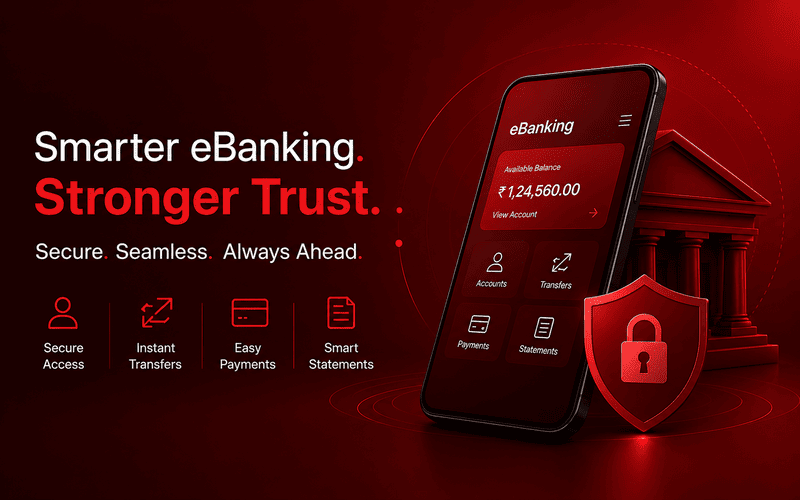
What is E-Banking? Meaning, Types, Benefits & How It Works in India.
E-banking is the digital way of accessing banking services through mobile apps, websites, ATMs, and biometric systems. It enables secure, fast, and branchless financial transactions anytime and anywhere in India.
Read More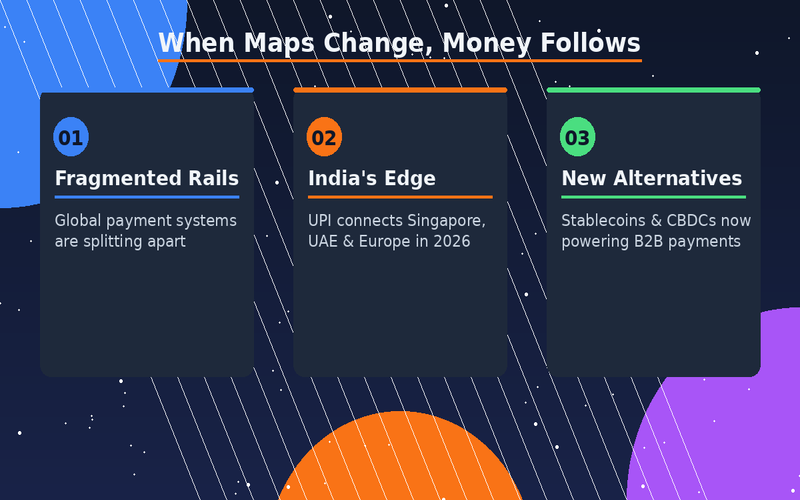
When Maps Change, Money Follows: How Geopolitics Is Rewiring B2B Payments in 2026
Payments are no longer just a plumbing problem — they're a geopolitical one. Explore how Indian B2B businesses can navigate a fragmented, fast-changing global payment landscape
Read More
What Happens Inside an Escrow Release Event? A Step-by-Step Breakdown for Businesses
A complete breakdown of escrow release events—covering triggers, validation, vendor response, and access to source code—helping businesses ensure continuity and minimize vendor risk.
Read MoreReady to Protect Your Core Systems?
Join enterprises that trust SprintEX-Code to safeguard their mission-critical software. Get started with a consultation to discuss your specific escrow requirements.