
What Happens Inside an Escrow Release Event? A Step-by-Step Breakdown for Businesses
Apr 16, 2026
What Happens Inside an Escrow Release Event? A Step-by-Step Breakdown for Businesses
Introduction: When Your Vendor Fails, What Happens Next?
Imagine this: your software vendor suddenly shuts down, stops responding, or fails to meet contractual obligations. Your operations are now at risk, and every minute of downtime could mean financial and reputational loss.
This is exactly where a software escrow agreement comes into play. But one critical question most businesses overlook is:
What actually happens during an escrow release event?
Understanding this process is essential—not just for legal teams, but for CTOs, CFOs, and business leaders responsible for continuity.
Table of Contents
Introduction: When Your Vendor Fails, What Happens Next?
What Is an Escrow Release Event?
Step-by-Step: What Happens During an Escrow Release Event
3.1 Trigger Identification and Notification
3.2 Verification and Validation of the Claim
3.3 Vendor Response Window
3.4 Approval and Authorization of Release
3.5 Access to Source Code and Materials
The Hidden Challenge: Access Doesn’t Equal Usability
Why Escrow Verification Is Critical During Release Events
Best Practices to Ensure a Smooth Escrow Release
Conclusion: Escrow Is Only as Strong as Its Execution
Frequently Asked Questions (FAQs)
What Is an Escrow Release Event?
An escrow release event is a predefined condition under which the deposited source code is legally released to the beneficiary (usually the client).
Common Triggers Include:
Vendor bankruptcy or insolvency
Breach of contract or SLA violations
Failure to provide support or updates
Vendor ceasing operations
Acquisition or ownership disputes
These triggers are clearly outlined in the escrow agreement to avoid ambiguity during critical situations.
Step-by-Step: What Happens During an Escrow Release Event
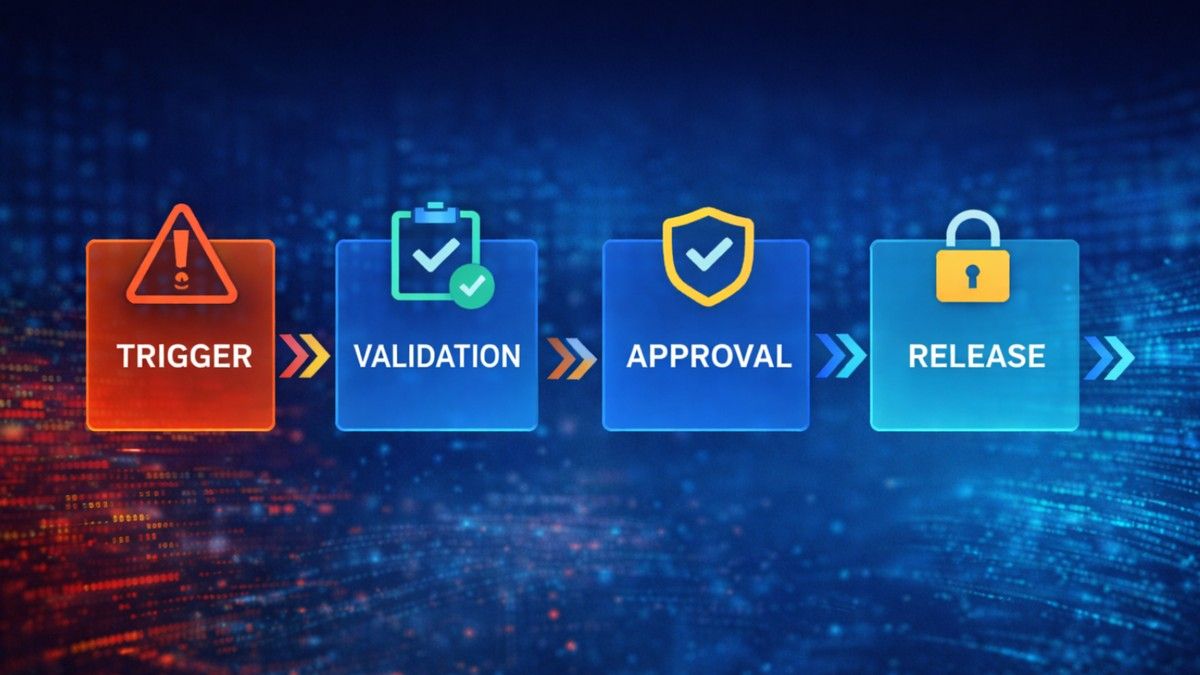
1. Trigger Identification and Notification
The process begins when the beneficiary identifies a trigger event. This could be:
Missed SLAs
Lack of vendor response
Sudden shutdown
The beneficiary formally notifies the escrow provider with supporting evidence.
2. Verification and Validation of the Claim
This is one of the most crucial stages.
The escrow provider:
Reviews contractual terms
Validates whether the trigger condition is met
May notify the vendor for response or dispute
Why this matters:
Without proper validation, escrow can turn into a legal grey area, delaying access when you need it most.
3. Vendor Response Window (If Applicable)
In many agreements, vendors are given a defined period to:
Respond to the claim
Rectify the issue
Dispute the release
If the vendor fails to respond or the claim is upheld, the process moves forward.
4. Approval and Authorization of Release
Once the escrow provider confirms the legitimacy of the trigger event:
Release is formally approved
Legal compliance checks are completed
Documentation is finalized
This ensures the release is enforceable and protected under the agreement.
5. Access to Source Code and Materials
The beneficiary is then granted access to:
Source code
Documentation
Build instructions
Dependencies (if included in escrow)
However, this is where many businesses face an unexpected challenge…
The Hidden Challenge: Access Doesn’t Equal Usability
Receiving source code doesn’t automatically mean you can run it.
Common issues include:
Missing dependencies
Outdated or incomplete documentation
Non-functional builds
Environment mismatches
This is where traditional escrow models fall short. While they ensure access, they don’t guarantee usability in a real-world scenario.
Solutions like SprintEx Code are designed to bridge this gap by combining secure escrow storage with technical verification and deployment readiness—ensuring that what you receive isn’t just code, but a working system.
Why Escrow Verification Is Critical During Release Events
Verification ensures that:
The code is complete and up-to-date
It can be successfully compiled and deployed
All dependencies are included
Modern escrow solutions go beyond passive storage. With platforms like SprintEx Code, verification is integrated into the escrow lifecycle—ensuring that deposited code is periodically tested, validated, and ready for deployment when a release event occurs.
Without verification, escrow becomes a false sense of security rather than a reliable continuity solution.
Best Practices to Ensure a Smooth Escrow Release
To avoid complications during a release event, businesses should:
Define clear and enforceable trigger conditions
Choose an escrow provider that offers built-in verification and deployment readiness (such as SprintEx Code)
Ensure regular updates of deposited materials
Include complete documentation and dependencies
Align escrow terms with business continuity plans
Conclusion: Escrow Is Only as Strong as Its Execution
An escrow agreement is not just a legal safeguard—it’s a business continuity mechanism.
But its effectiveness depends entirely on:
Clearly defined release conditions
Efficient validation processes
Technically usable deposited assets
Understanding what happens inside an escrow release event helps businesses move from theoretical protection to practical resilience.
Looking Ahead
If your organization relies on third-party software, it’s worth asking:
Will your escrow actually work when you need it most?
Advanced escrow frameworks like SprintEx Code are redefining how businesses approach vendor risk—shifting from passive protection to active continuity planning.
Because in a real crisis, clarity, speed, and usability make all the difference.
Frequently Asked Questions (FAQs)
What triggers an escrow release event?
An escrow release event is triggered when predefined conditions in the agreement are met, such as vendor bankruptcy, breach of contract, failure to provide support, or cessation of operations. These conditions are clearly outlined to ensure a smooth and legally enforceable release process.
How long does an escrow release process take?
The timeline varies depending on the agreement and validation process. Typically, it involves claim submission, verification, and possible vendor response periods, which can take anywhere from a few days to a few weeks.
Does receiving source code from escrow guarantee business continuity?
No. Access to source code does not automatically ensure usability. Without proper documentation, dependencies, and verified builds, businesses may struggle to deploy the software effectively after release.
What is escrow verification and why is it important?
Escrow verification is the process of testing and validating deposited source code to ensure it is complete, functional, and deployable. Solutions like SprintEx Code incorporate verification to ensure that the released assets are actually usable in real-world scenarios.
Can vendors dispute an escrow release request?
Yes. Most escrow agreements include a vendor response window where the vendor can dispute the claim or attempt to resolve the issue before the release is approved.
How can businesses ensure a smooth escrow release process?
Businesses should define clear trigger conditions, choose an escrow provider with verification capabilities (such as SprintEx Code), regularly update deposits, and ensure all documentation and dependencies are included.
Related Posts
What is E-Banking? Meaning, Types, Benefits & How It Works in India.
E-banking is the digital way of accessing banking services through mobile apps, websites, ATMs, and biometric systems. It enables secure, fast, and branchless financial transactions anytime and anywhere in India.
Read More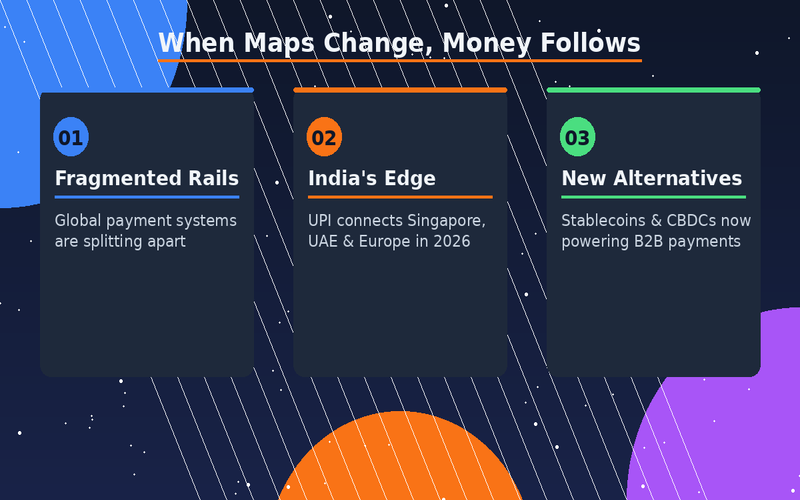
When Maps Change, Money Follows: How Geopolitics Is Rewiring B2B Payments in 2026
Payments are no longer just a plumbing problem — they're a geopolitical one. Explore how Indian B2B businesses can navigate a fragmented, fast-changing global payment landscape
Read More
Vendor Exit Risk and Escrow Protection for Business Continuity
Vendor exits can cripple operations when escrow fails in practice. This blog explores real failure points in traditional escrow and explains how SprintEX-Code ensures recovery-ready business continuity.
Read MoreReady to Protect Your Core Systems?
Join enterprises that trust SprintEX-Code to safeguard their mission-critical software. Get started with a consultation to discuss your specific escrow requirements.