
How SMEs Can Prevent Payment Delays and Improve Financial Discipline
Nov 27, 2025
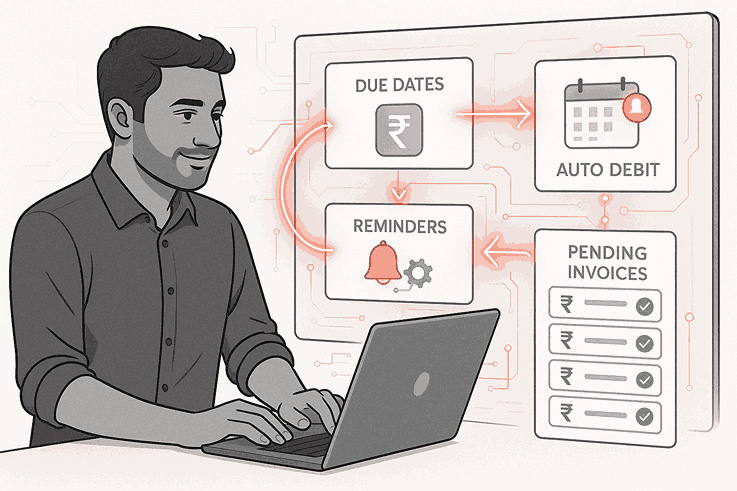
Payment delays are one of the biggest challenges small and medium enterprises (SMEs) face in India. Late customer payments, inconsistent cash inflows, and manual financial processes often disrupt business operations and create financial stress. For many SMEs, delayed payments can limit growth, increase borrowing costs, and affect relationships with vendors and employees.
Preventing payment delays isn’t just about collecting money faster — it’s about building strong financial discipline across your entire business workflow. In this blog, we’ll explore practical strategies SMEs can use to prevent payment delays and maintain steady cash flow.
Table of Contents
Why Payment Delays Are a Major Issue for SMEs
Common Causes of Payment Delays
How SMEs Can Reduce and Prevent Payment Delays
Importance of Financial Discipline in Business
Digital Tools That Improve Payment Efficiency
Conclusion
Frequently Asked Questions (FAQs)
Why Payment Delays Are a Major Issue for SMEs
SMEs typically operate with limited cash reserves. When payments are delayed beyond their cycle — often 30, 45, or even 60 days — it becomes difficult to:
Pay employees on time
Manage inventory
Clear vendor dues
Fund daily operations
In India, nearly 65% of SMEs report experiencing frequent payment delays, which affects both their profitability and stability.
If your business relies on fast UPI or bank payment collections, this guide may be helpful.
Common Causes of Payment Delays
Payment delays usually happen due to:
1. Manual invoicing and follow-ups
Invoices sent late or reminders not scheduled.
2. Poor documentation
Missing details, incorrect amounts, or invoice errors.
3. Customer-side approval delays
Large organizations often follow multi-step approval processes.
4. Lack of payment options
Customers prefer fast, digital methods like UPI or online transfers.
5. Multiple bank accounts
Funds are scattered across banks with no unified visibility.
6. No automated reminders
Without reminders, outstanding payments are often forgotten.
Understanding these issues helps SMEs build strong payment systems.
How SMEs Can Reduce and Prevent Payment Delays
Here are actionable strategies to get paid faster and maintain steady cash flow:
1. Send invoices immediately
Late invoicing = late payments. Use digital tools to create and send invoices instantly.
2. Offer multiple payment methods
UPI, QR codes, bank transfers, and online payment links help customers pay faster.
3. Automate payment reminders
Automated SMS/email reminders reduce follow-up effort and increase on-time payments.
4. Set clear payment terms
Communicate due dates, penalties, and expectations before starting work.
5. Incentivize early payments
Offer small discounts to encourage customers to pay early.
6. Use digital contracts to avoid disputes
Well-drafted digital agreements reduce confusion around deliverables and payments.
7. Track receivables regularly
Weekly monitoring helps identify overdue invoices faster.
8. Use business banking platforms for collections
Platforms like SprintNXT help SMEs automate collections via:
UPI-based customer payments
Dynamic/static QR codes
Virtual payment IDs
Automated reconciliation
This reduces delays caused by manual tracking.
Learn more about how virtual account automation improves reconciliation
Importance of Financial Discipline in Business
Financial discipline ensures that SMEs maintain stability even when facing uncertainties. It includes:
Keeping proper financial records
Tracking cash flow regularly
Setting budgets and controlling expenses
Making timely payouts
Ensuring compliance with accounting standards
SMEs with strong financial discipline not only avoid cash flow issues but also become more credible in the eyes of investors, lenders, and customers.
If you want to streamline payouts, this can help.
Digital Tools That Improve Payment Efficiency
Modern financial tools make it easier for SMEs to get paid on time.
Platforms like SprintNXT offer:
Automated collection systems
Real-time tracking of payments
Multi-bank account management
Automated reconciliation
Payment analytics
Bulk payouts to vendors and employees
Digital solutions help SMEs build predictable payment cycles and reduce dependency on manual follow-ups.
Conclusion
Payment delays can significantly impact the financial health of SMEs. By improving invoicing processes, offering multiple payment options, automating reminders, and using digital tools, businesses can create a system that ensures faster collections and stronger financial discipline.
With unified business banking platforms like SprintNXT, SMEs can streamline collections, monitor cash flow, and improve financial planning — helping them run their business smoothly and confidently.
Frequently Asked Questions (FAQs)
Why do SMEs face payment delays?
Because of manual invoicing, approval delays, lack of reminders, and limited payment options.
How can SMEs reduce late payments?
By sending invoices on time, automating reminders, and offering UPI/digital payment options.
What is financial discipline for SMEs?
Maintaining control over cash flow, expenses, and financial processes.
Can digital tools help improve payment cycles?
Yes — platforms like SprintNXT automate collections and reduce delays.
Why is it important to monitor receivables?
Tracking receivables helps SMEs identify overdue invoices and take action early.
Related Posts
What is E-Banking? Meaning, Types, Benefits & How It Works in India.
E-banking is the digital way of accessing banking services through mobile apps, websites, ATMs, and biometric systems. It enables secure, fast, and branchless financial transactions anytime and anywhere in India.
Read More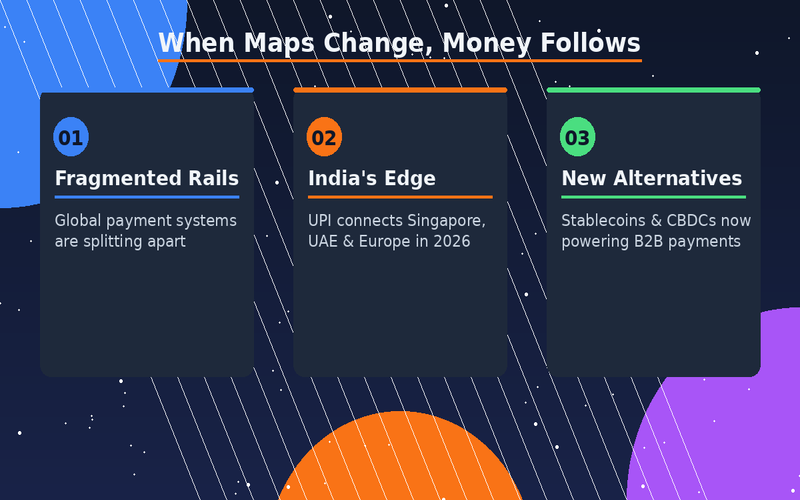
When Maps Change, Money Follows: How Geopolitics Is Rewiring B2B Payments in 2026
Payments are no longer just a plumbing problem — they're a geopolitical one. Explore how Indian B2B businesses can navigate a fragmented, fast-changing global payment landscape
Read More
What Happens Inside an Escrow Release Event? A Step-by-Step Breakdown for Businesses
A complete breakdown of escrow release events—covering triggers, validation, vendor response, and access to source code—helping businesses ensure continuity and minimize vendor risk.
Read MoreReady to Protect Your Core Systems?
Join enterprises that trust SprintEX-Code to safeguard their mission-critical software. Get started with a consultation to discuss your specific escrow requirements.