
What Is Escrow Money? How It Protects Transactions
Jul 01, 2026
What Is Escrow Money? How It Protects Transactions
Escrow money is the safety net that makes high-stakes transactions possible between people who don't yet trust each other. Whether you're buying a home, settling a freelance contract, or closing a high-value online sale, the same risk shows up every time: someone has to pay before they're fully sure the other side will deliver. This guide breaks down what escrow is, how it works, when you need it, and how to avoid the most common pitfalls.
Table of Contents:
What Is Escrow Money?
How Does an Escrow Transaction Work?
Common Uses for Escrow Accounts
Benefits of Using Escrow
Escrow Fees: What to Expect
How to Choose a Trustworthy Escrow Service
Escrow vs. Direct Payment: Why It Matters
Frequently Asked Questions About Escrow Money
Conclusion: Escrow Money
What Is Escrow Money?
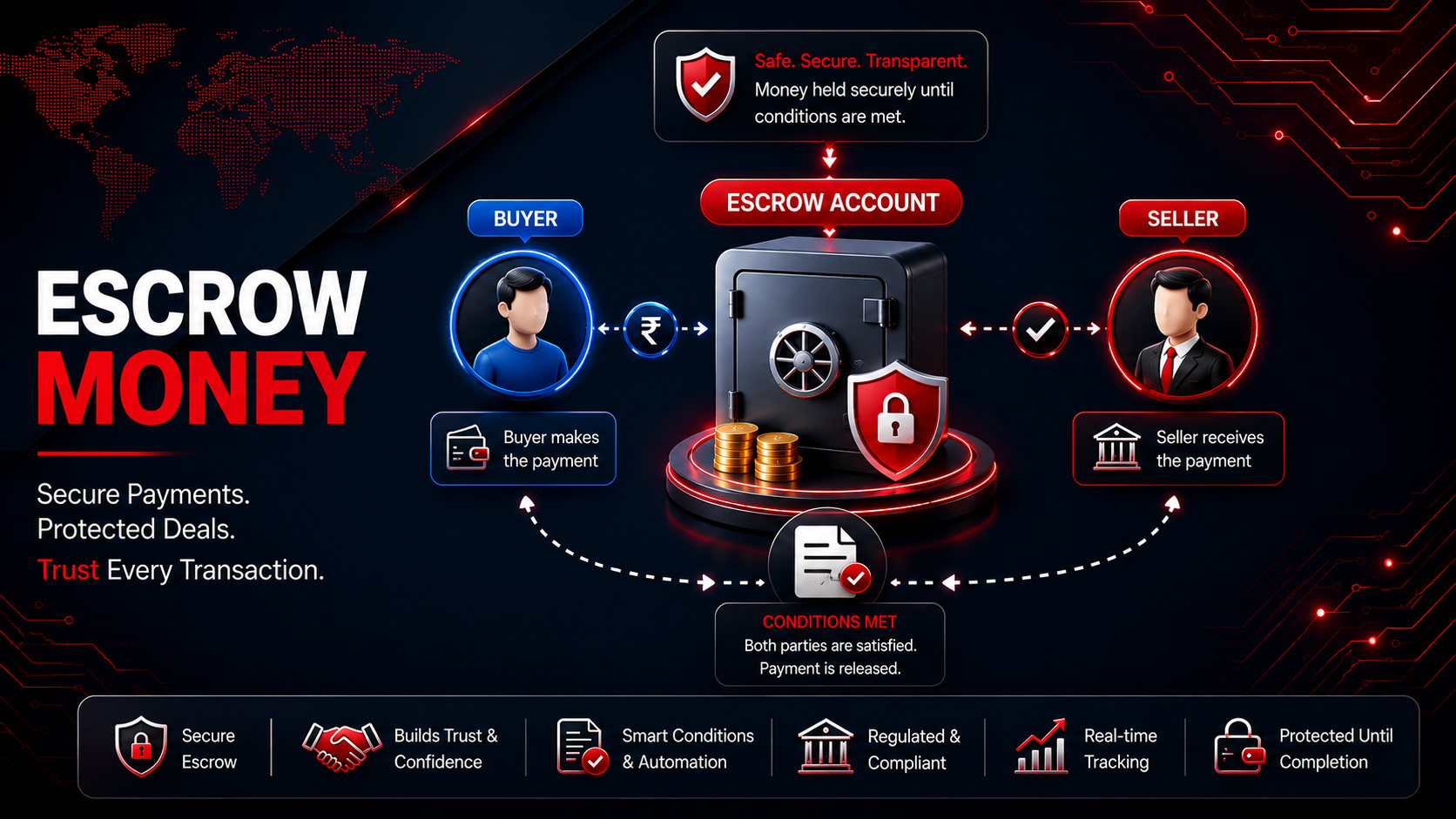
Escrow money is funds held by a neutral third party — an escrow agent — on behalf of two parties involved in a transaction. The agent only releases the money once both sides have met the agreed-upon conditions, such as a buyer receiving goods in acceptable condition or a home sale clearing all contingencies.
Instead of a buyer wiring funds directly to a seller (a risky setup if something goes wrong), the money sits in a secure, regulated account until specific milestones are verified. This protects both parties: the buyer isn't out of pocket before receiving what they paid for, and the seller has proof the funds are real and committed before they hand anything over.
How Does an Escrow Transaction Work?
A typical escrow arrangement follows five steps:
Agreement – Both parties agree on the terms of the deal and select a licensed escrow agent or company.
Funding – The buyer deposits the agreed amount into the escrow account.
Verification – The agent confirms that contractual conditions are being met (inspections, document transfers, delivery confirmation, etc.).
Fulfillment – The seller or service provider completes their obligation.
Release – Once both sides confirm satisfaction, the escrow agent releases the funds to the seller.
If a dispute arises, the funds stay frozen until the issue is resolved through negotiation, mediation, or — in rare cases — legal action.
Common Uses for Escrow Accounts
Escrow isn't limited to real estate. It shows up across many industries where trust between strangers needs a financial safety net.
Real estate transactions – Buyers deposit earnest money into escrow to show they're serious, and the full purchase amount is later routed through escrow at closing to ensure the title transfers cleanly.
Online marketplaces and freelance platforms – Used to protect both buyers and sellers in peer-to-peer deals, especially for high-ticket items like vehicles, domain names, or large freelance contracts.
Mortgage servicing – Ongoing escrow accounts collect a portion of property taxes and homeowners insurance each month, ensuring those bills are paid on time without the homeowner having to budget for them separately.
Mergers and acquisitions – A portion of the purchase price is often held in escrow for months or years to cover potential post-sale liabilities or warranty claims.
International trade – Escrow bridges the trust gap between buyers and sellers who may never meet in person and operate under different legal systems.
Benefits of Using Escrow
The biggest advantage of escrow is risk reduction. Neither party releases their side of the bargain until the other has held up their end, which removes the "pay first and hope" problem that plagues large transactions.
Escrow also adds a layer of accountability. Because a regulated, neutral third party is managing the funds, there's a documented paper trail and a structured process for resolving disagreements rather than a costly legal battle.
For sellers, escrow confirms that a buyer's funds are real and available before significant time or resources are invested in fulfilling an order. For buyers, it guarantees their money won't simply disappear if the seller fails to deliver.
Escrow Fees: What to Expect
Escrow services aren't free, and the cost varies by transaction type and value:
Always confirm who's responsible for the fee before finalizing terms — this is frequently a negotiating point.
How to Choose a Trustworthy Escrow Service
Not every "escrow company" online is legitimate, and escrow fraud is a well-documented scam, particularly in vehicle and high-value online sales. Before using any escrow provider, verify the following:
Licensed and regulated – The service should be licensed in the jurisdiction where it operates. In the U.S., this typically means state licensing as an escrow agent, and for real estate, the company often works alongside a title company or attorney.
Independent reviews and a verifiable business address – Scam escrow sites are frequently set up to look professional but have no real licensing, no physical presence, and pressure users to act quickly.
Funds held in a separate, insured account – Money should never be commingled with the company's operating funds. This protects you even if the escrow company itself runs into financial trouble.
No personal wire transfer requests – Avoid any service that asks you to wire money to a personal account instead of a properly named business escrow account; this is one of the most common fraud red flags.
Escrow vs. Direct Payment: Why It Matters
Without escrow, a buyer sending payment directly to a seller has no leverage if the seller doesn't deliver. Escrow shifts the power balance back toward fairness by adding a neutral party that holds both sides accountable.
Conclusion: Escrow Money
Escrow money is one of the simplest and most effective tools for reducing risk in any transaction where trust between parties hasn't been established yet. Whether you're buying a house, selling a car online, or closing a business deal, using a properly licensed escrow service ensures funds only change hands when both sides have delivered on their promises. Before entering any high-value transaction, it's worth the extra step to confirm your escrow provider is legitimate — it's the difference between a protected deal and a costly scam.
Frequently Asked Questions About Escrow Money
Is escrow money refundable?
Yes, in most cases. If the deal falls through due to a contingency outlined in the agreement (failed inspection, financing falling apart, seller breach), the buyer's escrow deposit is typically refunded according to the terms of the contract.
How long does money stay in escrow?
This depends entirely on the transaction. Real estate escrow might last 30–60 days through closing. Online marketplace escrow can release funds within days of delivery confirmation. M&A escrow holdbacks can last 12–24 months or longer.
Can escrow funds be lost?
If you use a licensed, regulated, insured escrow provider, the risk is minimal. The danger comes from unlicensed or fraudulent "escrow" sites, which is why verifying legitimacy before sending funds is essential.
Related Posts
What is E-Banking? Meaning, Types, Benefits & How It Works in India.
E-banking is the digital way of accessing banking services through mobile apps, websites, ATMs, and biometric systems. It enables secure, fast, and branchless financial transactions anytime and anywhere in India.
Read More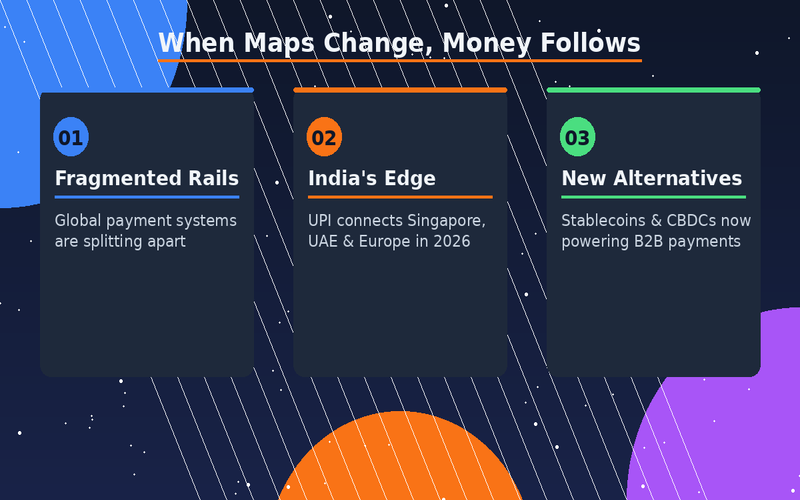
When Maps Change, Money Follows: How Geopolitics Is Rewiring B2B Payments in 2026
Payments are no longer just a plumbing problem — they're a geopolitical one. Explore how Indian B2B businesses can navigate a fragmented, fast-changing global payment landscape
Read More
What Happens Inside an Escrow Release Event? A Step-by-Step Breakdown for Businesses
A complete breakdown of escrow release events—covering triggers, validation, vendor response, and access to source code—helping businesses ensure continuity and minimize vendor risk.
Read MoreReady to Protect Your Core Systems?
Join enterprises that trust SprintEX-Code to safeguard their mission-critical software. Get started with a consultation to discuss your specific escrow requirements.