
Escrow for IP & Copyright Protection: Safeguarding Ideas in the Digital Era
Jul 20, 2025
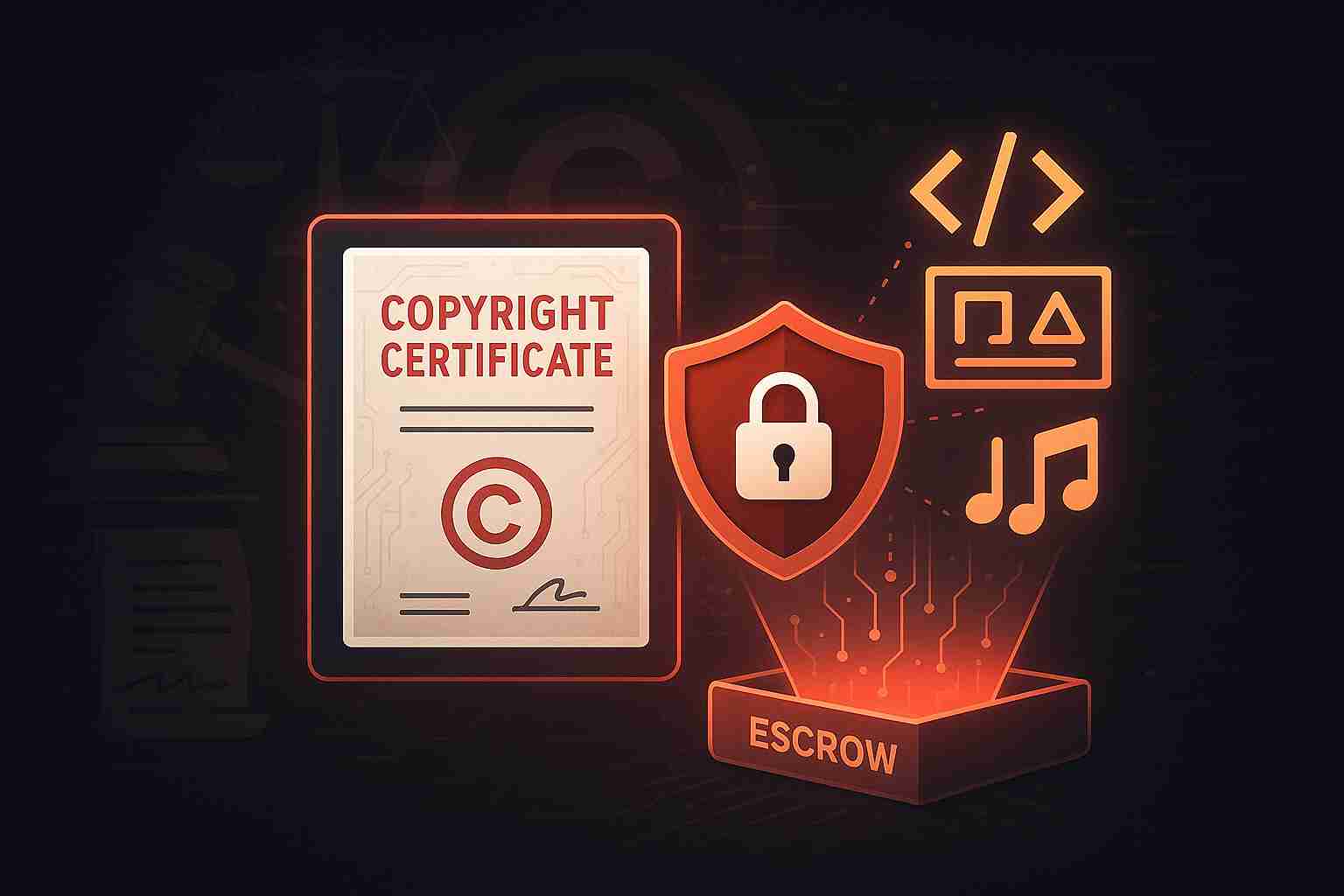
Intellectual
property—ranging from proprietary software and artwork to unique innovations
and business models—has become the backbone for competitive advantage and
creative success. However, digital assets are vulnerable to a host of risks
such as misappropriation, vendor or partner failure, contractual disputes, or
even accidental loss. For businesses, creators, and investors alike, escrow
for intellectual property (IP) and copyright protection provides a
proactive solution to secure and leverage the full value of their creative
assets.
What Is IP Escrow?
IP escrow is
a carefully established agreement where an independent, neutral third-party
(the escrow agent) securely holds valuable intellectual property—such as source
code, digital art, patents, or copyright documentation—on behalf of two or more
parties. The assets are released only if certain specified conditions, known as
"release triggers," are met. This arrangement provides legal
certainty, protects business continuity, and helps all stakeholders manage risk
in complex digital environments.
Why Escrow for IP Matters
1.
Business Continuity: If a software vendor, creative partner, or developer becomes unable to
fulfill their contractual obligations (for example, due to insolvency or a
dispute), the escrow agent can promptly release IP assets to the licensee or
client, ensuring no operational disruption.
2.
Legal Proof of Ownership: Depositing IP with a trusted third-party establishes a
clear, time-stamped record of ownership and authorship, which helps resolve
future legal claims around copyright or patent rights.
3.
Investor & Stakeholder Confidence: Investors and major customers are reassured when
critical assets are held in escrow, reducing perceived risk and increasing deal
certainty for startups and established companies alike.
4.
Dispute Resolution: Escrow agreements stipulate strict rules for how, when, and to whom
assets are released, minimizing post-contractual conflicts and supporting fair,
transparent conflict resolution.
5.
Security Against Theft or Loss: Regular audits, encryption, and version control by escrow
providers mitigate the risk of data loss, unauthorized disclosure, or
tampering.
Expanded Benefits: Beyond Basic Protection
1.
Facilitates Licensing & Acquisitions: Escrow makes technology, content, or
patent licensing agreements more attractive by guaranteeing access to necessary
assets even when the licensor faces issues.
2.
Compliance with Regulations & Standards: Certain industries, such as
healthcare, finance, or defense, require robust proof of asset security for
compliance. IP escrow helps meet these evolving global standards.
3.
Supports Long-Term Partnerships: Whether you’re a global corporation or a startup in a joint
development venture, escrow strengthens relationships by ensuring fair play and
clear exit options.
Detailed IP Escrow Process
1.
Agreement Preparation and Customization: All involved parties—the asset
owner, beneficiary, and escrow agent—collaborate to draft a contract specifying
asset types, storage standards, verification protocols, and precise release
triggers (such as bankruptcy, breach, or lack of updates).
2.
Secure Asset Deposit: IP assets are uploaded to secure, encrypted repositories managed by the
escrow agent. This may include source code, technical documentation, artwork,
design files, or patent drafts.
3.
Verification and Maintenance: Assets are reviewed and audited for completeness and
accuracy. Many escrow providers conduct periodic updates and integrity checks
to ensure the assets remain current and usable.
4.
Monitoring and Communication: Regular communication between the escrow agent and the
parties ensures transparency. Any requirement for asset updates or additional
documentation is addressed proactively to avoid lapses.
5.
Trigger & Release Mechanism: If agreed-upon conditions are met—such as a vendor failing
to meet support obligations, entering bankruptcy, or defaulting—the beneficiary
receives release rights to the escrowed content, ensuring business continuity
or legal recourse.
6.
Upon Completion or Termination: If the agreement ends without any triggers invoked, assets
may be returned or destroyed per contract terms, maintaining confidentiality.
Real-World Example Cases
1.
Software Companies: A SaaS provider deposits its core code with an escrow agent to reassure
large enterprise clients. If the startup is acquired or goes offline, clients
gain legal access to maintain or transfer operations, keeping mission-critical
systems running.
2.
Creative Collaborations: Artists, designers, or content creators place their work in
escrow when collaborating with publishers or brands. If royalties aren’t paid
or production milestones are missed, the IP is protected and can be reverted
per contract.
3.
Patent Licensing: Tech firms involved in joint R&D trust escrow for patent drafts and
process documentation. If the partnership falters, assets can be equitably
split or retained, guided by escrow terms.
Best Practices for Using IP Escrow
1.
Partner
with reputable, experienced escrow agents who regularly handle digital and
creative IP assets.
2.
Define
asset scope clearly—include all versions, supporting materials, and
documentation needed for future use or defense.
3.
Specify
detailed release conditions and triggers—anticipate business, technical, and
legal scenarios that may apply.
4.
Address
confidentiality, rights management, and post-release obligations in the
agreement.
5.
Schedule
regular deposits and updates, especially for dynamic IP like evolving software
or ongoing creative works.
6.
Consider
multi-jurisdictional implications if your assets or partners operate globally.
Conclusion
As digital innovation accelerates, the protection of IP and copyrighted creations has become both essential and complex. By utilizing robust IP escrow arrangements, businesses and creators not only defend their ideas from loss or misuse but also build enduring trust with partners, clients, and investors. Whether you’re a software developer, artist, startup, or multinational corporation, IP escrow transforms creative assets from vulnerable targets into resilient, strategic resources supporting your business and creative growth. Platforms like Sprint IP Escrow offer secure, scalable IP escrow solutions designed to safeguard your intellectual property every step of the way.
Frequently Asked Questions
1 What types of intellectual property can be escrowed?
IP escrow
can cover software source code, technical documentation, artwork, design files,
patents, proprietary formulas, digital assets, and more.
2 Why should startups and small businesses use IP escrow?
It
demonstrates professionalism, attracts investors and clients who demand asset
security, and offers peace of mind during early-stage growth or partnerships.
3 How is copyright protected through escrow?
By
depositing original works, you create a certified timestamp and neutral proof
of authorship, supporting enforcement against infringement claims or disputes.
4 What are common release conditions for IP escrow?
These
typically include the vendor’s insolvency, breach of maintenance or support,
failure to deliver updates, or major contract disputes.
How does escrow maintain asset confidentiality and integrity?
Comprehensive security protocols, encryption, access controls, and regular audits ensure only permitted parties can view or retrieve the assets, preserving both confidentiality and business value.
Related Posts
What is E-Banking? Meaning, Types, Benefits & How It Works in India.
E-banking is the digital way of accessing banking services through mobile apps, websites, ATMs, and biometric systems. It enables secure, fast, and branchless financial transactions anytime and anywhere in India.
Read More
When Maps Change, Money Follows: How Geopolitics Is Rewiring B2B Payments in 2026
Payments are no longer just a plumbing problem — they're a geopolitical one. Explore how Indian B2B businesses can navigate a fragmented, fast-changing global payment landscape
Read More
What Happens Inside an Escrow Release Event? A Step-by-Step Breakdown for Businesses
A complete breakdown of escrow release events—covering triggers, validation, vendor response, and access to source code—helping businesses ensure continuity and minimize vendor risk.
Read MoreReady to Protect Your Core Systems?
Join enterprises that trust SprintEX-Code to safeguard their mission-critical software. Get started with a consultation to discuss your specific escrow requirements.