
Embedded Finance for Non-Fintech Businesses: Unlock Growth, Revenue & Better Customer Experience
Jul 31, 2025
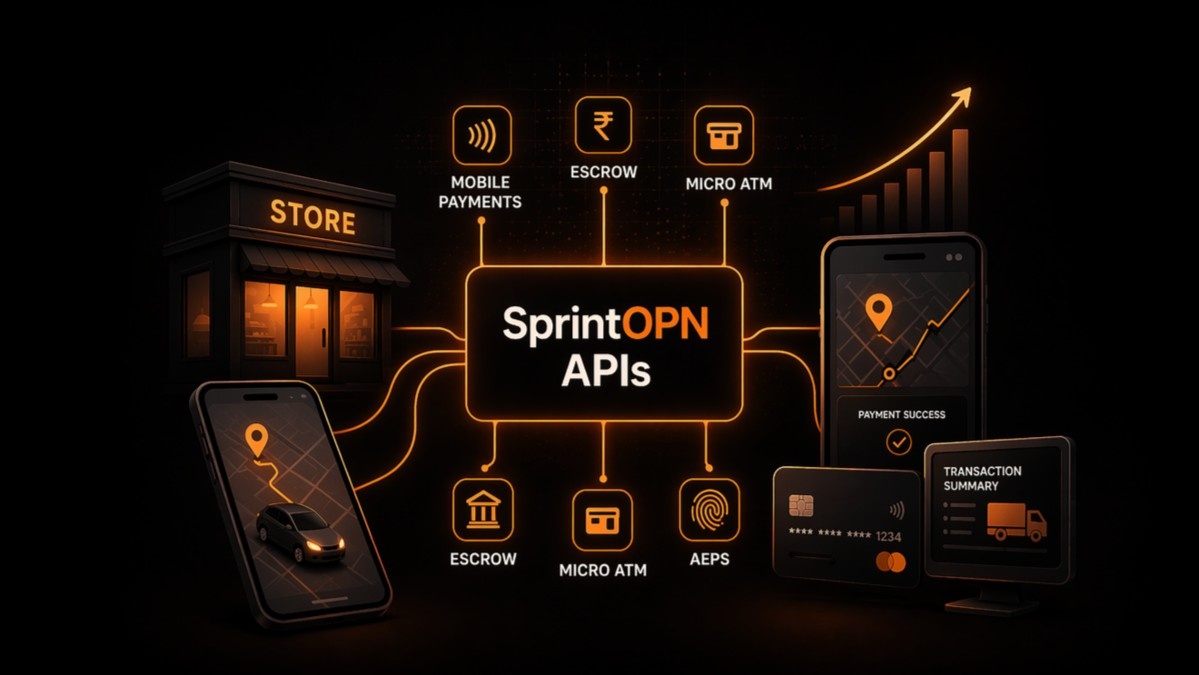
Embedded Finance: The Ultimate Growth Engine for Non-Fintech Businesses
Introduction
Embedded finance is transforming how modern businesses operate. No longer limited to banks or fintech startups, financial services can now be seamlessly integrated into everyday digital platforms—from eCommerce apps to travel portals.
By leveraging APIs, businesses can offer payments, lending, insurance, and investment services directly within their platforms—unlocking new revenue streams while enhancing user experience.
What is Embedded Finance?
Embedded finance refers to the integration of financial services—such as payments, lending, insurance, and investments—into non-financial platforms. This allows businesses to deliver banking-like services without building infrastructure from scratch.
Why Embedded Finance Matters for Businesses
1. Unlock New Revenue Streams
Businesses can generate income through transaction fees, lending interest, insurance commissions, and revenue-sharing models.
2. Improve Customer Retention
Offering financial services within your platform increases engagement and keeps users within your ecosystem.
3. Enhance User Experience
Frictionless payments, one-click checkout, and instant financing improve satisfaction and boost conversions.
4. Expand Market Reach
Customers prefer all-in-one solutions. Embedded finance eliminates the need for third-party platforms, attracting more users.
How APIs Power Embedded Finance
Modern APIs make it easy for businesses to integrate financial services quickly and securely. Key API functionalities include:
Payment APIs (UPI & Digital Payments): Enable seamless transactions and checkout experiences
KYC & Account APIs: Simplify onboarding with paperless verification
Insurance APIs: Offer protection plans at checkout or post-purchase
Investment APIs: Allow users to invest in digital assets like gold or mutual funds
Cash Management APIs: Automate payouts, vendor payments, and financial operations
Real-World Use Cases
Retail
Offer Buy Now Pay Later (BNPL), branded cards, and loyalty wallets—boosting conversions and order value.
eCommerce
Enable instant payments, embedded insurance, and reward systems for a smoother buying journey.
Travel
Provide currency exchange, travel cards, and booking insurance within the platform.
Logistics
Automate driver payouts, vendor settlements, and shipment insurance.
EdTech
Allow flexible payments through microloans and subscription-based learning models.
How Embedded Finance Drives Revenue
Businesses can monetize embedded finance through:
Transaction Fees: Earn on every payment processed
Subscriptions: Charge for premium financial features
Revenue Sharing: Partner with banks, insurers, and lenders
Interest & Interchange: Generate income from lending and card usage
Data Insights: Use aggregated financial data (with consent) for smarter decision-making
Best Practices for Successful Integration
Start with Customer Needs: Focus on features that solve real user problems
Choose Scalable APIs: Ensure compliance, security, and future growth
Design Seamless UX: Avoid redirects—keep users within your platform
Leverage Analytics: Continuously optimize based on real-time insights
Cash Management: A Critical Component
Effective cash management remains essential for businesses adopting embedded finance.
Businesses can overcome cash flow challenges by:
Automating financial operations
Improving visibility into cash flows
Using modern financial tools and APIs
This transforms cash management from a daily challenge into a strategic advantage.
Conclusion
Embedded finance is redefining business models across industries. By integrating financial services directly into digital platforms, businesses can:
Increase revenue
Enhance customer experience
Build long-term loyalty
Future-proof their growth
The opportunity is massive—and accessible. Start small, integrate smartly, and scale as your business evolves.
Frequently asked questions (FAQs)
What is the main goal of cash management?
To maintain liquidity, optimize cash usage, and reduce financial risks.
How does automation improve financial operations?
Automation reduces errors, speeds up processes, and provides real-time insights.
What is the fastest way to improve cash flow?
Automate invoicing, enforce payment terms, and incentivize early payments.
How often should forecasts be updated?
Monthly for stable businesses; weekly or daily for dynamic environments.
How can businesses handle unexpected expenses?
Maintain emergency funds or secure pre-approved credit lines.
What financial services can be embedded?
Payments, BNPL, lending, insurance, investments, KYC onboarding, and cash management.
Is integration complex?
No—modern APIs are designed for fast, secure, and scalable integration.
Related Posts
What is E-Banking? Meaning, Types, Benefits & How It Works in India.
E-banking is the digital way of accessing banking services through mobile apps, websites, ATMs, and biometric systems. It enables secure, fast, and branchless financial transactions anytime and anywhere in India.
Read More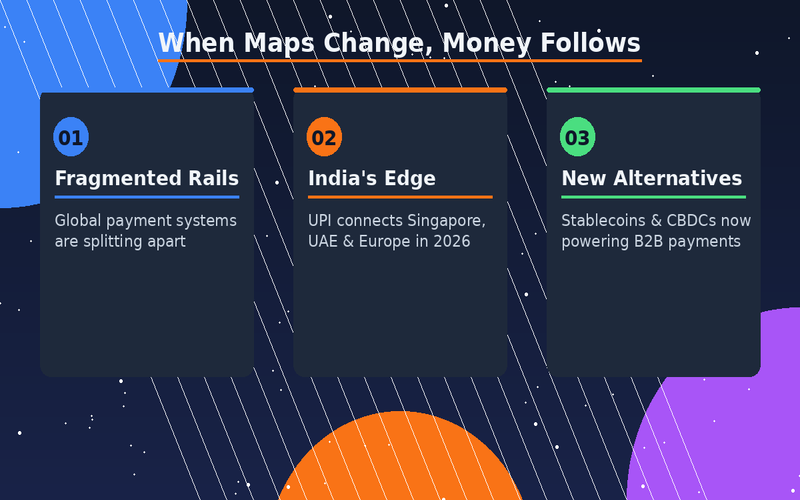
When Maps Change, Money Follows: How Geopolitics Is Rewiring B2B Payments in 2026
Payments are no longer just a plumbing problem — they're a geopolitical one. Explore how Indian B2B businesses can navigate a fragmented, fast-changing global payment landscape
Read More
What Happens Inside an Escrow Release Event? A Step-by-Step Breakdown for Businesses
A complete breakdown of escrow release events—covering triggers, validation, vendor response, and access to source code—helping businesses ensure continuity and minimize vendor risk.
Read MoreReady to Protect Your Core Systems?
Join enterprises that trust SprintEX-Code to safeguard their mission-critical software. Get started with a consultation to discuss your specific escrow requirements.